If you need braces again, you are not alone, and the problem is often very treatable. Teeth can shift years after orthodontic treatment, even when the first result looked great.
The next step is finding out why the movement happened. An exam can show whether you are dealing with simple relapse, a bite change, crowding over time, or a problem involving gum or bone support.
Dental Studio of Palm Harbor offers orthodontics in Palm Harbor, FL, and can assess cases like this.
Teeth are not permanently locked in place after braces come off. They are supported by bone, fibers, and surrounding tissues that can change over time through normal bone remodeling.
One of the most common reasons for movement is not wearing a retainer or wearing one that no longer fits well. Even small gaps in retainer use can allow teeth to drift, especially the lower front teeth.
Aging can also affect alignment. Over time, daily pressure from chewing, swallowing, and clenching can contribute to small bite changes and renewed crowding or rotation.
Sometimes the issue is more than simple relapse. Gum disease, tooth loss, grinding, older dental work, or jaw growth changes can affect how the teeth meet and lead to movement that needs a different treatment plan.
If teeth are shifting quickly, you develop a loose adult tooth, or your gums are bleeding or receding, do not wait too long for an evaluation. Those signs may point to a support problem, not just a cosmetic one.
Many patients first notice one visible change, like a crooked front tooth. Later, they realize their bite feels different too.
Common signs include overlapping teeth, new spacing, a bite that feels off, or trouble cleaning between crowded teeth. Some people also notice more food trapping, cheek biting, or uneven wear.
Jaw discomfort does not always mean you need braces again. Still, if your bite has changed, an orthodontic exam can help determine whether alignment is contributing to the problem.
A cosmetic concern is also a valid reason to seek care. If your smile has shifted enough to affect your confidence, retreatment may be worth considering even if the bite change is mild.
Not everyone needs a full second round of braces. The best option depends on how much movement has happened, where it occurred, and whether the bite also needs correction.
If the shift is mild and mostly affects the front teeth, limited retreatment may work well. This can sometimes be done with short-term braces or clear aligners focused on a smaller area.
That option may shorten treatment time. It works best when the rest of the bite is stable and moving a few teeth will not create a new problem.
Full braces may be the better option when there is moderate crowding, tooth rotation, bite imbalance, or movement that requires precise control. They are especially useful when teeth need to move in several directions at once.
Braces can also be more predictable when elastics, attachments, or detailed bite correction are needed. If your first orthodontic treatment was many years ago, retreatment may require a broader plan than you expect.
Clear aligners can be an excellent option for some retreatment cases. Many adults prefer them because they are less visible and removable.
The main limitation is consistency. If aligners are not worn as directed, teeth may not track properly, and you may need refinements or a change in treatment. Our practice offers Invisalign as a discreet option for many relapse cases. For a broader patient-friendly comparison of braces and clear aligners, it helps to review how each option fits different bite and movement needs.
| Option | Best For | Main Advantages | Main Limits |
| Clear aligners | Mild to moderate relapse, cosmetic front tooth movement | Less visible, removable for meals and brushing | Requires consistent wear, not ideal for every bite problem |
| Limited braces | Small areas of crowding or relapse | Good control, often shorter treatment | May not correct deeper bite issues |
| Full braces | More complex relapse or bite correction | Strong control and predictability | More visible, usually more involved treatment |
A second round of orthodontic treatment usually starts with records, not appliances. The office may take photos, X-rays, and digital scans or impressions to measure tooth position and bite relationships.
This matters because one tooth may look out of place while the real issue involves the way several teeth fit together. A careful diagnosis helps avoid treating only the visible symptom.
Your dentist or orthodontist will also review old retainers, previous extractions, restorations like crowns, and gum health. In adults, these details often affect the treatment plan more than expected.
If routine care or problems such as decay or gum disease are present, treatment from general dentistry may be needed first. If there is active decay, active gum disease, or a broken tooth affecting the bite, those issues should usually be addressed before teeth are moved.
Most people remember the first week of braces clearly, and the second time is often similar. You may feel pressure, soreness, and mild irritation after placement or adjustments, especially during the first few days.
The good news is that retreatment often feels easier emotionally because you know what to expect. Adults may still notice the inconvenience more, especially during work, meals out, or travel.
Speech changes are usually mild with braces and can be more noticeable at first with aligners. Soft foods can help during sore periods, and careful brushing becomes even more important if you have brackets.
If a wire is poking, a bracket breaks, or pain is severe or persistent, contact the office. Significant swelling, fever, spreading facial pain, or trouble swallowing are not typical orthodontic symptoms and need prompt dental or medical attention.
Treatment time varies widely. Minor relapse may take only a few months, while more involved bite correction can take much longer.
The biggest factor is not whether you had braces before. It is how much movement is needed now and whether the bite, gums, and bone support are stable.
Long-term success depends heavily on retainer use after retreatment. This is the part many patients underestimate, even after going through orthodontic treatment once already.
It helps to talk about retention early. If a removable retainer may be hard to wear consistently, ask what alternatives exist and what maintenance will still be needed over time.
Sometimes the visible tooth movement is only part of the problem. If gum disease has reduced support around the teeth, moving them before treating the gums can be risky.
Missing teeth can also let nearby teeth drift or tip into open space. In that case, orthodontics may be only one part of the solution, and restorative planning such as a single tooth implant or other replacement options may also be needed. If implants are part of the discussion, you can also review dental implant costs.
Heavy grinding or clenching can contribute to tooth wear and bite changes. If this applies to you, learn more about how to fix grinded teeth.
This is why a careful diagnosis matters. Good retreatment is not just about straightening what looks crooked in the mirror.
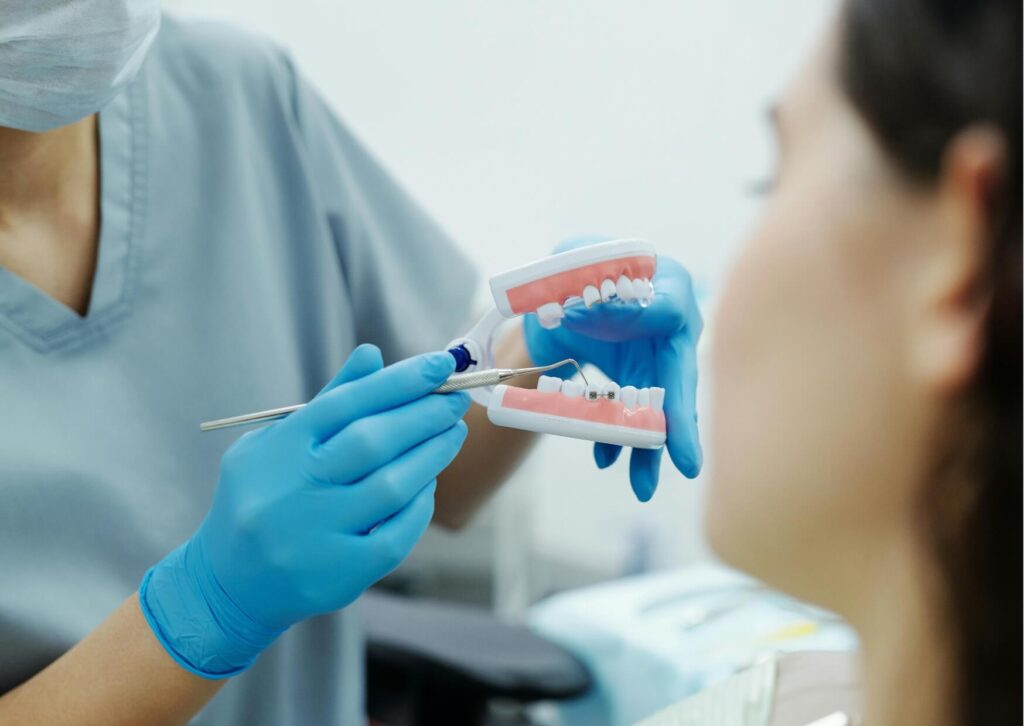
A good candidate usually has healthy teeth and gums, realistic goals, and the motivation to complete treatment and wear retainers afterward. Both adults and teens can do well with retreatment when the plan matches the real cause of the shifting.
Patients with mild cosmetic relapse may do well with a simpler approach. Patients with bite changes, worsening crowding, or trouble cleaning certain areas often benefit from a more complete evaluation.
If the movement is recent, getting worse, or affecting comfort, it is smart to schedule a consultation sooner rather than later. Early correction is often simpler than waiting for the bite to become more complicated.
A consultation should leave you with a clear explanation of what changed, which options make sense, and what maintenance will be needed to keep the result stable.
Dental Studio of Palm Harbor offers orthodontics in Palm Harbor, FL, and sees patients from nearby Clearwater and Dunedin; call (727) 786-1077 to schedule.
Yes. Teeth can shift years later because of retainer issues, natural bite changes, crowding pressure, grinding, gum problems, or missing teeth. The cause is not always obvious without an exam.
Yes, especially in adults who had braces as teenagers. Retreatment is common, and orthodontists regularly evaluate relapse cases.
Sometimes, but not always. One tooth may look like the only problem even when the bite around it has changed, so an evaluation is still important before choosing a limited cosmetic fix.
It may be faster if the relapse is mild. It can also take a similar amount of time or longer if the bite has changed, the teeth need more complex movement, or other dental issues need treatment first.
Do not force it into place. A retainer that no longer fits may mean the teeth have already moved enough that a new plan is needed.