After a professional fluoride treatment, many patients can eat right away if fluoride varnish was used. If your dentist used a gel or foam instead, you usually need to wait about 30 minutes before eating or drinking.
For the best result, follow the instructions from your dental team. In many cases, that also means avoiding hot, crunchy, sticky, or acidic foods for 4 to 6 hours after fluoride varnish.
If you're unsure how long to wait to eat after a fluoride treatment or want tailored advice about topical fluoride use, preventive dentistry can help clarify expectations and next steps. At Dental Studio of Palm Harbor in Palm Harbor, FL, we explain post-treatment care, reduce confusion, and support your routine to protect teeth.
The timing depends on which fluoride product was applied. Fluoride varnish sets on the teeth when it contacts saliva, while gels and foams usually require a short period with no food, drinks, or rinsing.
Treatment | When Eating Is Usually Allowed | Practical Precautions |
|---|---|---|
Fluoride varnish | Often immediately | Choose soft, cool, or lukewarm foods for 4 to 6 hours |
Fluoride gel or foam | Usually after 30 minutes | Avoid eating, drinking, and rinsing during the wait |
Prescription fluoride used at home | Product-specific | Follow the label and your dentist's instructions |
These are common guidelines, not universal rules. Your treating dental professional's instructions always come first.
Professional fluoride helps strengthen enamel and supports remineralization. That means it helps replace minerals lost during early acid damage and may lower cavity risk.
With varnish, a fluoride-rich coating stays on the teeth for several hours. Eating rough, sticky, or very hot foods too soon can wear that coating away faster and reduce contact time.
Waiting longer than instructed does not make the treatment permanent. Fluoride works best as part of a routine that also includes fluoride toothpaste, daily home care, and regular dental visits.
If your dentist says you can eat right away after varnish, choose foods that are soft and not too hot. Good options include yogurt, applesauce, scrambled eggs, mashed potatoes, soft pasta, or lukewarm soup.
For the time period your dental team recommends, it is best to avoid:
Plain water is often allowed after fluoride varnish, but instructions can vary by product. If you had fluoride gel or foam, wait the full recommended time before drinking anything.
Many patients are told to wait 4 to 6 hours before brushing or flossing after fluoride varnish. Some dental offices may instead recommend waiting until the next morning.
Until then, your teeth may feel slightly rough, sticky, or coated. That is normal and usually goes away once you brush at the approved time.
When the waiting period is over, brush gently with fluoride toothpaste and return to your normal flossing routine.
Fluoride treatment is usually quick and painless. The dentist or hygienist dries the teeth and applies a small amount of varnish with a brush.
The varnish may feel sticky or make the teeth seem less smooth for the rest of the day. Some products can also leave a temporary film or dull appearance, but that wears off.
Fluoride treatment is preventive, not cosmetic. It does not whiten teeth or change their shape, but it can help protect enamel and reduce sensitivity in some patients.
If you ate a little sooner than instructed, it usually is not an emergency. The main concern is that the fluoride may not stay on the teeth as long as intended.
If you are not sure which product was used or whether the treatment still counts, call your dental office and ask. They can tell you whether you need to do anything differently.
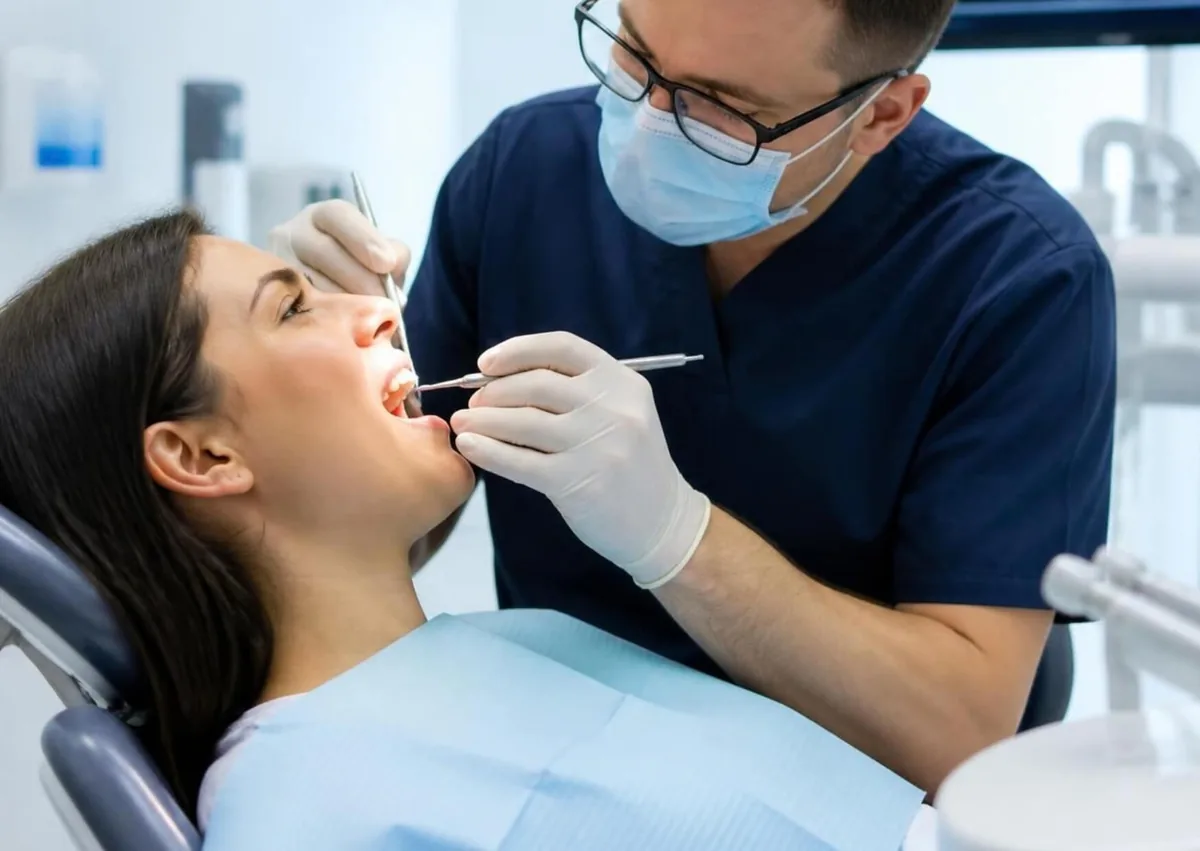
Professional fluoride treatment may help children and adults who get frequent cavities, have dry mouth, wear braces, have exposed roots, or show signs of enamel weakness. It may also be recommended for people with dental work that creates plaque-trapping areas or health conditions that reduce saliva.
These treatments are commonly part of preventive dentistry. Other preventive options include dental sealants.
Treatment frequency depends more on cavity risk than age alone. Some patients receive fluoride at routine visits, while others need it more often or may benefit from prescription-strength home products.
If plaque buildup is a concern, learn how to remove plaque from teeth. If cavities keep developing, teeth are becoming sensitive, dry mouth is persistent, or home fluoride products are confusing, your general dentistry team can help; if you are unsure whether a spot may be decay, see what cavities look like.
A consultation is a good next step if you keep getting cavities, are unsure which fluoride products to use at home, or want a personalized prevention plan. It is also worth asking if previous fluoride treatments caused sensitivity, texture concerns, or confusion about eating and brushing instructions.
Seek prompt medical care for facial or throat swelling, trouble breathing, widespread hives, repeated vomiting, or other signs of a serious reaction. Ongoing tooth pain also needs evaluation, because fluoride does not treat decay, infection, or a cracked tooth.
To discuss your aftercare or arrange a preventive dentistry visit, call Dental Studio of Palm Harbor at (727) 786-1077 to speak with our team and check same-day availability. Dental Studio of Palm Harbor provides preventive dentistry in Palm Harbor, FL; call or book online to schedule your appointment.
Water may be allowed immediately after fluoride varnish, depending on the product. After a gel or foam application, patients are commonly told to avoid all drinks for about 30 minutes.
It is best to avoid hot coffee for 4 to 6 hours, or for the exact period your dental team gave you. If coffee is allowed sooner, letting it cool may help avoid disturbing the coating.
Eating right away after fluoride varnish is often allowed if the food is soft and not hot or sticky. If you were told to wait, eating too soon may shorten the fluoride's contact time, but it is not usually dangerous.
The visible coating often stays on the teeth for several hours and gradually wears away. The rough or sticky feeling should improve after the allowed brushing time.
Do not rinse unless your dental professional says it is okay. Rinsing too soon can remove fluoride gel, foam, or varnish before the intended contact period is complete.