You are eating, brushing, or touching a tooth with your tongue, and suddenly it feels different. That can be alarming because a loose adult tooth is not normal.
In many cases, the issue is not the tooth alone. The gums, bone, bite pressure, or a recent injury may be involved, and early care gives you the best chance of protecting the tooth.
Dental Studio of Palm Harbor offers comprehensive general dentistry in Palm Harbor, FL and provides the kind of exam and urgent evaluation you may be looking for.
An adult tooth is held in place by the gums, the jawbone around the root, and the periodontal ligament. That ligament is a thin layer of fibers that helps cushion the tooth during chewing.
If any part of that support system becomes inflamed, damaged, or weakened, the tooth may start to move. Sometimes this happens right after trauma, but it can also develop slowly and become noticeable while chewing or flossing.
A common mistake is waiting to see if it settles on its own. Mild movement can sometimes come from temporary irritation, but ongoing looseness usually means the supporting tissues need professional attention.
One of the most common answers to why your adult tooth is loose is gum disease, also called periodontal disease. It starts when plaque and bacteria build up around the gumline and trigger inflammation.
Early gum disease may cause bleeding, puffiness, or tenderness. As it worsens, the infection can damage the bone and connective tissue around the teeth, which may lead to shifting, spacing, or looseness.
This often turns into a habit loop. Bleeding gums make brushing feel uncomfortable, so cleaning becomes lighter or less consistent, which allows more plaque to stay in place.
A helpful micro-step is to stop treating bleeding as a reason to avoid the area. Instead, see it as a sign to schedule a dental exam and keep cleaning gently and thoroughly until your visit.
A loose adult tooth does not always mean advanced periodontal disease. Several other problems can cause it, and sometimes more than one factor is involved.
A fall, sports injury, car accident, or biting down on something very hard can injure the tooth and the ligament around it. The tooth may feel loose right away, or the soreness and movement may show up a day or two later.
Clenching and grinding, also called bruxism, can put repeated pressure on teeth and their supporting structures. This may not severely loosen a healthy tooth by itself, but it can worsen a tooth that is already stressed.
Many people grind at night without realizing it. Morning jaw soreness, flattened tooth edges, or headaches near the temples can be clues.
An infection near the root or deep in the gum can weaken support around a tooth. You may also notice swelling, pain when biting, a bad taste, or a pimple-like bump on the gum.
When inflammation has been present for a long time, the bone around the root can shrink away. Once enough support is lost, the tooth may begin to shift or feel unstable.
A cracked root or severe structural damage can also make a tooth feel loose. This is more likely if the tooth has had prior trauma, a large filling, or pain when chewing that is hard to pinpoint.
Some whole-body health issues can affect gum health and bone support. Diabetes, smoking, immune system disorders, and hormonal changes can raise the risk of periodontal breakdown and slower healing.
If braces or clear aligners are actively moving your teeth, mild mobility can happen as part of treatment. That is different from unexplained looseness, but it should still be discussed with your dentist or orthodontist if it feels sudden, painful, or more noticeable than expected.
The pattern matters. A tooth that became loose after a blow to the mouth points to different concerns than one that gradually loosened over months of bleeding gums.
If the tooth hurts when you bite, the ligament may be inflamed, or the tooth may have a crack or infection. If the tooth is drifting or new spaces are opening, bone loss from periodontal disease becomes more likely.
Bad breath, gum recession, pus, or bleeding often point to gum infection. Sudden mobility with facial swelling, fever, or significant pain needs prompt dental care because signs of spreading infection should not be ignored.
Even without pain, movement in an adult tooth deserves attention. Some serious periodontal problems stay surprisingly painless until support loss is already advanced.
If an adult tooth feels loose, avoid checking it over and over with your fingers or tongue. That is a common habit, but it can further irritate the ligament and make the area feel worse.
Choose softer foods for now and chew on the other side if you can. Keep brushing gently and clean the area carefully, because plaque buildup can make inflammation worse.
If there was a recent injury, call a dentist the same day. If the tooth is very mobile, painful, or has changed position, urgent evaluation is especially important.
A common real-life example is noticing a front tooth move after biting into a crusty sandwich, then spending the rest of the day nudging it with your tongue. The better next step is to stop checking it, switch to soft foods, and schedule an exam quickly so the tooth can be evaluated before more damage happens.
Do not try to splint, glue, or reposition the tooth at home. That can complicate treatment and may injure the surrounding tissue.
Seek urgent dental care if the tooth becomes loose after an accident or blow to the mouth. Time matters with dental trauma, especially if the tooth has shifted, feels very unstable, or your bite no longer fits together normally.
You should also contact a dentist promptly if you have swelling of the gum or face, pus, fever, severe pain, trouble swallowing, or a foul taste that keeps coming back. These symptoms may point to an urgent infection.
If you cannot reach a dentist and there is significant swelling, fever, or trouble breathing or swallowing, seek emergency medical care. Those symptoms go beyond routine dental discomfort and should not wait.
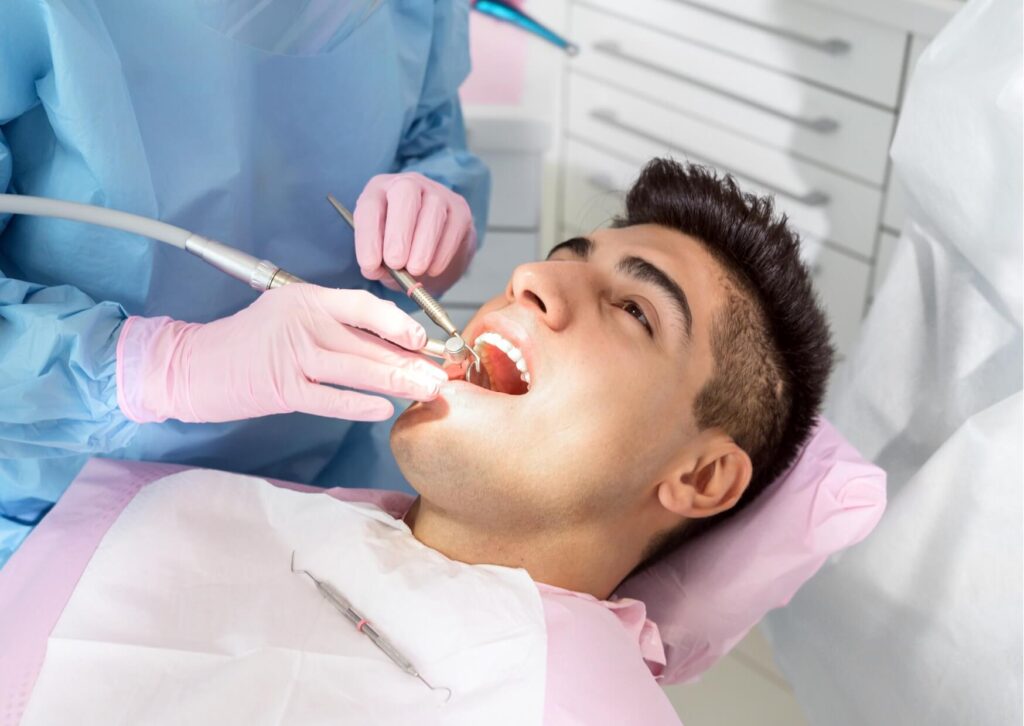
A dentist will usually check how much the tooth moves, whether the gums are inflamed, and whether there are deep periodontal pockets. A periodontal pocket is a space between the tooth and gum that becomes deeper when support tissue is damaged.
Your bite may also be checked to see whether one tooth is taking too much force. Dental X-rays are often needed to look at bone levels, root shape, fractures, or signs of infection around the root.
In some cases, the pulp is also tested. The pulp is the soft tissue inside the tooth that contains nerves and blood vessels, and trauma can affect it even when the outside of the tooth looks normal.
Treatment depends on the cause. There is no single fix for every loose adult tooth, which is why an accurate diagnosis matters.
If gum disease is the main problem, treatment may focus on removing plaque and tartar below the gumline and controlling the infection. If bite pressure is part of the issue, the dentist may recommend ways to reduce overload on the tooth.
A traumatized tooth may need monitoring, stabilization, or other care based on the type of injury. If the tooth has lost too much bone support or has a severe root fracture, saving it may not be possible.
If a tooth cannot be saved, long-term options may include extraction followed by a stable restoration such as a dental implant. For a reliable option for replacing a lost tooth, consider information on tooth replacement.
That can be hard to hear, but early treatment often gives you more options. One of the biggest mistakes is assuming a loose tooth is minor just because it does not hurt much yet.
A few steady habits can help while you arrange care. These steps do not replace treatment, but they can reduce extra stress on the area.
Patients often do better when they make a few simple changes right away instead of waiting for the problem to get worse.
A loose adult tooth can seem stable for a while, which makes it easy to delay care. The problem is that bone loss, infection, or bite trauma may continue quietly in the background.
What might have been managed earlier with periodontal treatment or stabilization can become more complicated later. If you have been wondering, “why is my adult tooth loose?”, the safest next step is usually a dental exam rather than watchful waiting.
Getting it checked does not mean you have to commit to major treatment on the spot. It gives you a clear picture of what is happening and what options are still available.
If a loose tooth needs prompt evaluation, Dental Studio of Palm Harbor offers general dentistry in Palm Harbor, FL and serves nearby Clearwater and Dunedin; call (727) 786-1077 to schedule.
Sometimes, yes, depending on the cause. If the looseness is related to temporary ligament inflammation or a mild injury, the tooth may feel firmer after the area heals. If bone support has been lost from periodontal disease, the outcome depends on how much support remains and how well the condition is controlled.
No. Gum disease is common, but trauma, grinding, infection, bite overload, and root fracture can also cause tooth mobility.
No. Removing an adult tooth at home can cause bleeding, infection, and damage to nearby tissue. A dentist should evaluate the tooth and decide whether it can be treated or needs to be removed.
Stress does not directly loosen a tooth, but it can contribute to clenching and grinding. That repeated force may aggravate a tooth that is already inflamed or weakened.
If the tooth becomes loose after trauma, or if you have swelling, severe pain, pus, fever, or a rapid change in your bite, seek urgent care. For any unexplained looseness in an adult tooth, book a dental visit as soon as reasonably possible.