Losing one tooth can seem manageable at first, especially if it is not in a very visible spot. Many people adapt by chewing on the other side, smiling a little differently, or putting off treatment because the area is not painful.
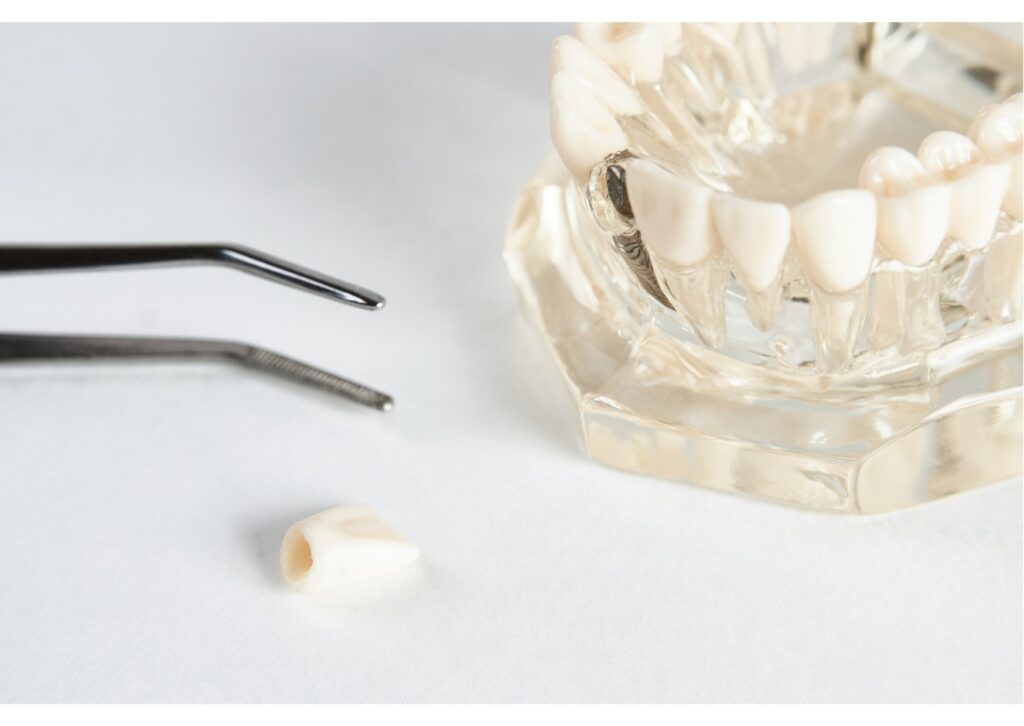
That is the common trap. A single missing tooth can affect more than appearance. Over time, nearby teeth may drift, the opposing tooth can move out of position, and the jawbone in that area may begin to shrink because it is no longer being stimulated by a tooth root.
A single tooth implant is one of the most predictable ways to replace one missing tooth without cutting down the healthy teeth next to it. It is not the right choice for every situation, but when the bone and gum support are suitable, it can restore function, appearance, and long-term stability in a way that feels very close to a natural tooth.
In practical terms, treatment usually involves a small titanium implant post placed in the jawbone, followed by a connector piece and a custom crown. The process takes planning and patience, but the goal is simple: replace the missing root and the visible tooth in a way that lets the area function normally again.
At Dental Studio of Palm Harbor, single tooth implant treatment is planned with long-term function, comfort, and appearance in mind. Patients can expect detailed evaluations, clear guidance through each stage of treatment, and personalized care based on their bone support, gum health, and overall oral condition.
One missing tooth does not always cause immediate problems. That is exactly why treatment is often delayed. But the mouth works as a connected system, and even a small gap can gradually change how biting forces are distributed.
When a tooth is lost, the surrounding bone may begin to resorb, meaning the body slowly removes bone that is no longer being used. Adjacent teeth can tip into the space, food may pack more easily, and cleaning can become harder. In some cases, this can raise the risk of gum inflammation, decay on neighboring teeth, and uneven wear.
There is also a habit loop many patients fall into. The gap leads to avoiding one side while chewing. That changes bite pressure, which can increase strain elsewhere. A small issue can slowly become a broader one.
A helpful micro-step is to schedule an evaluation before the area starts changing shape. Even if treatment is not done right away, early imaging helps a dentist explain timing, bone availability, and whether your options may become more complex later.
A dental implant is not just one piece. It is usually a three-part system designed to replace the missing tooth from the root up.
The implant post is placed in the jawbone where the natural root used to be. It is most often made of titanium, a material widely used in medicine because bone can bond to it through a process called osseointegration. That term simply means the bone heals tightly around the implant surface.
After healing, a connector called an abutment is attached to the implant. This supports the final crown and helps shape the gum tissue around the restoration.
The visible replacement tooth is the crown. It is custom-made to match the nearby teeth in shape, size, and color. A well-designed crown should allow comfortable biting and should be easy to clean.
If appearance is a priority, our cosmetic dentistry services can help shape the crown and gum contour so the result looks natural and balanced.
What makes this option appealing is that a single implant usually stands on its own. Unlike a traditional bridge, it often does not require reshaping the teeth on either side of the gap.
Many adults with one missing tooth may be candidates for implant treatment, but suitability depends on more than the gap itself. The condition of the bone and gums matters just as much as the appearance of the space.
A dentist or implant provider will usually look at several factors:
Healthy gums are especially important. If active periodontal disease is present, it generally needs to be stabilized first. Periodontal disease is a chronic infection and inflammation of the tissues that support the teeth.
Bone volume is another major factor. If the jaw has thinned after tooth loss, a bone graft may be recommended before or during implant placement. That does not automatically rule out treatment, but it can add time and complexity.
A real-world example is common in front-tooth cases. Someone may lose an upper incisor in an accident, want a quick cosmetic fix, and assume an implant can go in immediately. Sometimes that is possible, but only if the bone, gum contour, and infection status are favorable. In other cases, staged treatment gives a safer and more natural-looking result.
A helpful first step is a visit with our general dentistry team for exams and imaging so your implant plan starts from a healthy foundation.
The full process is usually done in stages. Some cases move quickly. Others need more healing time to protect the final result.
The first step is a clinical exam and imaging, often including a 3D scan called a cone beam CT. This helps the dentist assess bone dimensions, nearby roots, sinus position in the upper jaw, and the location of important nerves in the lower jaw.
This planning stage matters. Implant success is not just about placing metal in bone. It is about placing it in the right position for the future crown, the bite, and the gum line.
The implant is placed surgically into the jawbone under local anesthetic, and sometimes with additional sedation if appropriate. Most patients describe the procedure as more manageable than expected, especially compared with the anxiety leading up to it.
Some implants are placed at the same visit as tooth removal, while others are placed after the socket has healed. The right timing depends on infection, bone stability, and cosmetic demands.
After placement, the bone needs time to integrate with the implant. Healing time varies, which is one reason implants are not usually a same-day solution in every case.
A temporary tooth may be used in visible areas, but it must be designed carefully so it does not overload the implant while healing. This is one area where following professional instructions closely makes a real difference.
Once the implant is stable, impressions or digital scans are taken to make the final crown. The crown is then attached and adjusted so the bite feels balanced. A well-fitted implant crown should look natural and allow the gums around it to remain healthy.
If one tooth is missing, an implant is not the only option. The best choice depends on oral health, budget, timeline, and the condition of neighboring teeth.
| Option | Main Advantage | Main Limitation | When It May Make Sense |
| Single tooth implant | Replaces the root and crown without altering adjacent teeth | Requires surgery and healing time | When bone support is adequate and a long-term fixed option is desired |
| Dental bridge | Faster in some cases and does not require implant surgery | Usually requires reshaping neighboring teeth | When adjacent teeth already need crowns or implant placement is not ideal |
| Removable partial denture | Lower upfront cost and non-surgical | Bulkier feel and less natural chewing in many cases | When several factors limit fixed treatment |
One of the strongest arguments for a single implant is tooth preservation. If the teeth next to the gap are healthy and untouched, it often makes sense to avoid preparing them for a bridge unless there is a clear reason to do so.
That said, not every mouth is an ideal implant case. A bridge may be a very reasonable option when anatomy, cost, or healing concerns make implant treatment less predictable. For many patients, an implant may also last longer than a traditional bridge, but the right choice still depends on the details of the case.
Recovery after implant placement is usually easier than many patients expect, but it is still a surgical procedure. Mild to moderate soreness, swelling, and tenderness in the first few days can be normal.
The area may feel bruised or slightly tight when chewing nearby. If a graft was done at the same time, recovery may feel more noticeable. Most people can return to routine activities fairly quickly, but the deeper healing inside the bone takes much longer than the initial surface healing.
One helpful micro-step is to prepare before the appointment instead of reacting afterward. Having softer foods ready, planning a lighter schedule, and knowing how to keep the area clean can make the first few days much smoother.
A simple real-life example: patients who line up easy meals, avoid testing the area with crunchy foods, and attend follow-up visits tend to have a less stressful recovery than those who feel fine on day two and start chewing directly on the implant site too early.
Dental implants have high success rates, but no procedure is risk-free. Problems may occur during healing or even later if the implant is overloaded or the surrounding tissues become inflamed.
Possible complications include:
Some symptoms need prompt attention. Contact a dentist quickly if there is increasing swelling, fever, pus, severe throbbing pain, ongoing bleeding, numbness that does not improve, or a feeling that the implant is moving. Those findings do not always mean a serious complication, but they should not be ignored.
A later warning sign is bleeding around the implant when brushing or flossing that keeps happening. Implants do not get cavities, but the gum and bone around them can still become diseased if plaque builds up or the bite forces are not well controlled. Studies on the prevalence of peri-implantitis also show why regular maintenance matters.
A single implant can last many years, but longevity depends on daily habits and regular dental maintenance. The common mistake is assuming an implant is maintenance-free because it is not a natural tooth.
The habit loop is straightforward. If the area feels artificial, it may get less attention during brushing and flossing. Plaque then accumulates at the gum margin, inflammation starts quietly, and bone support can be affected over time.
A better approach is to attach care to an existing routine. Clean around the implant at the same time and with the same care as the natural teeth next to it. If a dentist recommends special cleaning aids, use them consistently rather than only when the gums feel irritated.
Practical ways to protect the result include:
The small daily behaviors matter more than occasional bursts of perfect care. In most cases, consistency is what protects the bone and gums around the implant.

The cost of a single tooth implant can vary widely by region, materials, imaging needs, and whether additional procedures are required. A straightforward case in a healthy site is very different from a case that needs extraction, grafting, temporary replacement, and cosmetic tissue shaping.
Common factors that affect the total fee include:
It is worth asking for a written breakdown of each stage. That makes it easier to compare options fairly and understand whether a lower quote reflects a simpler case, fewer included steps, or different materials.
Cheapest is not always best with implants. Position, tissue support, and crown design strongly affect long-term success, and correcting a poorly planned implant can be far more difficult than doing it carefully the first time.
A good consultation should leave you with a clear sense of whether an implant is appropriate, what the timeline looks like, and what tradeoffs come with each option. If the explanation feels rushed or vague, it is reasonable to ask more questions or get a second opinion.
Consider asking:
These questions help shift the decision from marketing language to clinical reality. That is usually where the best decisions happen.
Replacing one missing tooth early can help protect your bite, bone support, and long-term oral health. If you are considering a single tooth implant in Palm Harbor, FL, contact Dental Studio of Palm Harbor at (727) 786-1077 to schedule a personalized evaluation. Our team helps patients understand their options, treatment timeline, and what to expect throughout the implant process.
It may be, especially when the teeth next to the gap are healthy. A single implant often preserves those teeth because they usually do not need to be reshaped for crowns. A bridge can still be a good option in some cases.
It depends on the site, healing, and whether grafting is needed. Some cases move faster than others, but implant treatment often takes several months from planning to final crown.
Most patients report that the procedure is manageable with local anesthetic. Some soreness and swelling afterward are common, but severe or worsening pain should be evaluated.
No. Bone support, gum health, bite forces, smoking status, and certain medical factors all affect candidacy. A dental exam and imaging are needed to know whether it is a good option.
Bone loss, tooth drifting, bite changes, and cleaning difficulties may develop over time. That does not mean treatment becomes impossible, but it can become more complex.
Call a dentist promptly if there is worsening swelling, fever, pus, persistent bleeding, severe pain, prolonged numbness, or any sense that the implant or crown is moving.
Replacing one missing tooth can feel like a small decision, but it often has long-term effects on comfort, chewing, and oral stability. If you are considering a single tooth implant, a thorough evaluation can clarify whether it is the right fit now, what steps may be needed, and how to protect the result for years to come.