Losing a tooth often leads to a simple question: how much will it cost to replace it? The question sounds straightforward, but the cost of dental implants is rarely one flat number. In a real dental office, the final cost depends on the condition of the bone and gums, the location of the missing tooth, the type of restoration planned, and whether any extra procedures are needed before the implant can be placed.
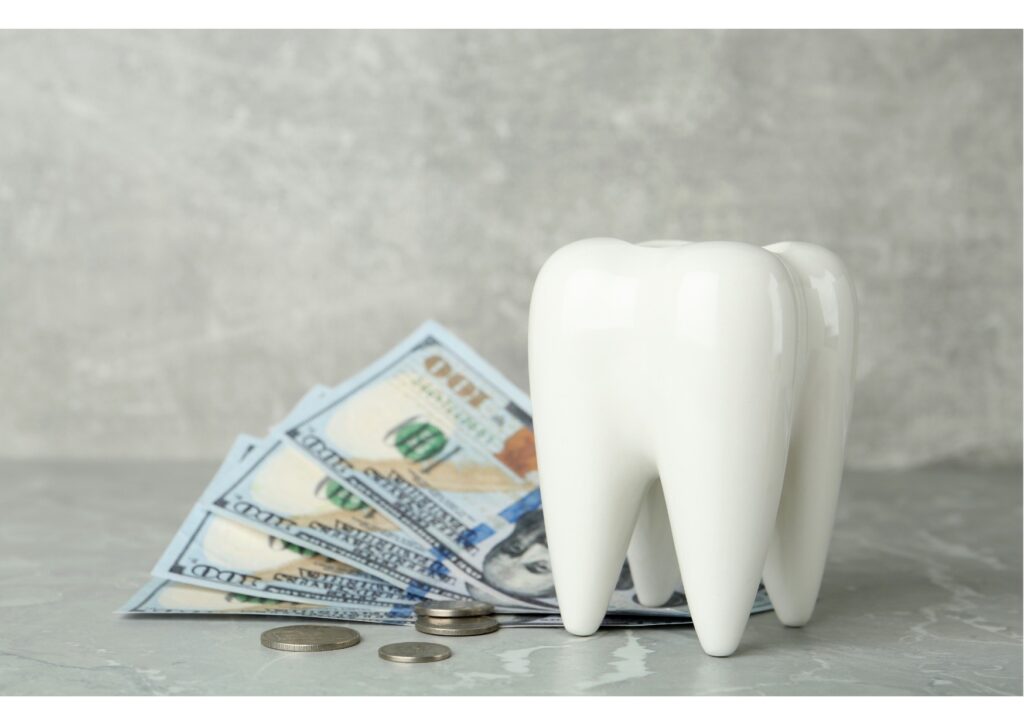
A common mistake is comparing one advertised price to another without checking what is actually included. One office may quote only the implant post, while another may include the surgical placement, the connector piece called an abutment, the final crown, imaging, and follow-up visits. That is why the lowest number on a website may not reflect the full treatment cost.
A more helpful way to think about implant pricing is not, “What is the cheapest implant?” but, “What treatment is needed for a stable, healthy result?” That shift matters. A well-planned implant is not just a replacement tooth. It is a complete restoration system placed into bone and designed to support comfort, function, and long-term oral health.
At Dental Studio of Palm Harbor, patients receive clear explanations and personalized treatment planning for dental implants in Palm Harbor, FL, based on their oral health needs and long-term goals. We also see patients from surrounding communities and can often offer same-day availability when appropriate.
Dental implants are customized treatments, not off-the-shelf products. Even when two people are replacing one tooth, their starting point may be very different. One person may have strong bones and healthy gums, while another may need treatment for gum inflammation, a tooth extraction, or bone grafting before an implant is a safe option.
The implant itself is usually a titanium or ceramic-based fixture placed into the jawbone. After healing, it supports a crown, bridge, or denture. If the surrounding bone has thinned after a tooth has been missing for a long time, the site may need added support first. That alone can change both the timeline and the total fee.
Location can also affect pricing. Fees in higher-cost regions or specialty surgical settings are often different from those in smaller communities. The training and experience of the treating dentist, the implant system used, the imaging technology involved, and the complexity of the bite can all influence cost in meaningful ways.
When patients ask about implant cost, it helps to break treatment into parts. A complete implant case often includes the consultation, diagnostic imaging such as 3D cone beam scanning, surgical placement of the implant, healing time, the abutment, and the final restoration, such as a crown. Some treatment plans also include temporary teeth during healing.
This is where confusion often starts. A quote may sound affordable until you learn that the crown is billed separately, or that imaging and sedation are additional. Asking for an itemized estimate is one of the simplest ways to avoid surprises.
Here is a practical comparison of what may or may not be included:
| Treatment Component | Often Included In A Full Quote | Sometimes Billed Separately |
| Initial consultation | Yes | Sometimes |
| X-rays or 3D scan | Sometimes | Yes |
| Implant placement surgery | Yes | Rarely |
| Sedation or surgical comfort options | Sometimes | Yes |
| Healing cap or temporary component | Sometimes | Yes |
| Abutment | Sometimes | Yes |
| Final crown, bridge, or denture attachment | Sometimes | Yes |
| Bone grafting or sinus lift | No | Yes |
| Follow-up visits | Often | Sometimes |
The key point is simple: ask what the quote covers from start to finish. That question often tells you more than the number itself.
Some implant cases are straightforward. Others need preparatory care to improve the chances of long-term success.
These added procedures are not upsells when they are clinically necessary. They are often the difference between forcing treatment into a poor site and building a healthier foundation.
Bone grafting is used when the jaw no longer has enough volume or density to support an implant predictably. This can happen after tooth loss, advanced gum disease, trauma, or long-standing infection.
Grafting adds cost, but it may be necessary to create a safer and more durable implant site.
If a damaged tooth is still present, extraction may be needed before implant treatment can move forward. In some cases, an implant may be placed soon after the extraction.
In others, a healing period is recommended first, especially if infection or bone loss is present.
For missing upper molars, the sinus may sit too close to the implant site because the bone in that area is naturally limited or has shrunk over time.
A sinus lift creates more vertical space for implant support. This is one reason costs may be higher for upper back teeth than for front teeth or lower teeth.
Active periodontal disease, meaning infection and inflammation affecting the tissues that support the teeth, should usually be treated before implant placement.
Placing an implant into an unhealthy environment can increase the risk of complications. Treating the gums first may add steps, but it is often the more responsible path.
For many of these preparatory steps, routine care through general dentistry, such as exams, X-rays, and gum therapy, can affect implant eligibility and the final cost.
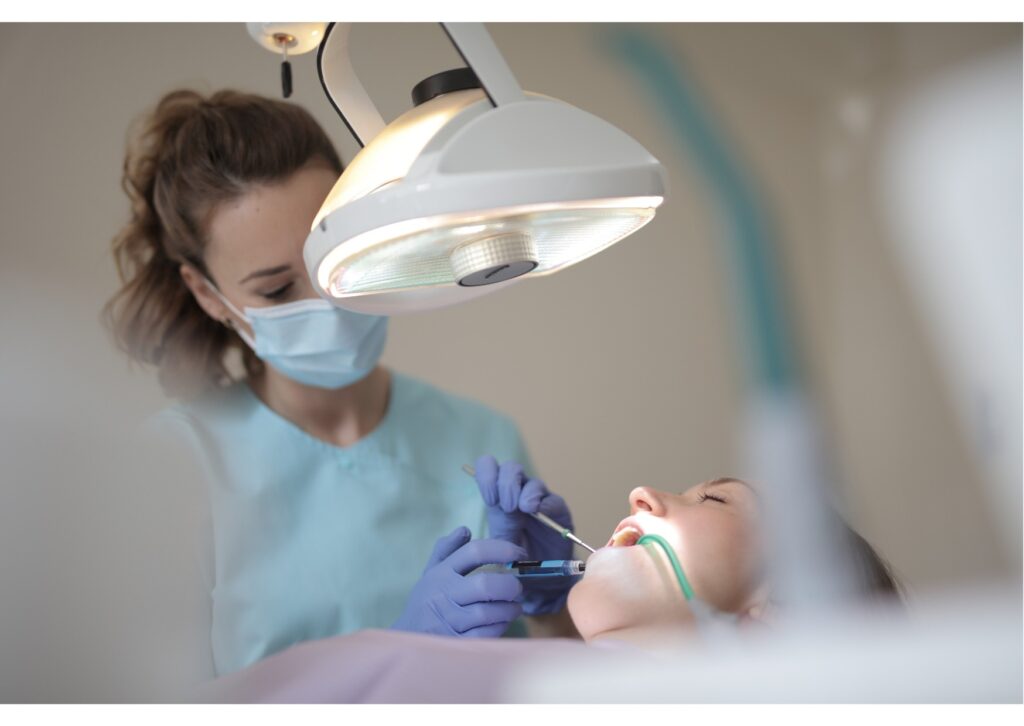
Replacing one missing tooth is very different from rebuilding an entire arch. A single implant usually supports one crown. Multiple missing teeth may be restored with several implants or with an implant-supported bridge, depending on spacing, bite forces, and bone availability.
Full-arch treatment, often used when many teeth are missing or failing, is a larger reconstruction. It may involve extractions, several implants, temporary teeth, and a final fixed prosthesis. Because the planning, surgery, materials, and lab work are more involved, the cost is significantly higher than a single-tooth case.
This is one reason online price comparisons can be misleading. A low advertised figure may refer to only one part of a single implant case, while another estimate may reflect a complete full-arch plan. The treatment goal matters as much as the unit price.
It is understandable to focus on cost. Dental care is a real financial decision. Still, choosing an implant provider based only on the lowest quote can create problems if diagnosis, planning, sterilization standards, component quality, or follow-up care are weak.
Implants depend on precise positioning. If the angle is poor, the bite is not balanced, or the surrounding tissue is unhealthy, the restoration may be harder to clean, less comfortable, or more likely to fail early. Correcting a failed implant can cost more than doing careful treatment correctly the first time.
That does not mean the highest fee is automatically better. It means value comes from a complete diagnosis, realistic planning, clear communication, and a restoration that can be maintained over time. In many cases, the better question is not, “Why is this office cheaper?” but, “What explains the difference in planning, materials, and follow-up?”
If you are comparing offices, take a copy of each treatment estimate and look for the same details in each one. This small step can prevent a lot of confusion. It also helps you ask better questions during the consultation.
A useful checklist includes:
A common real-world example looks like this: one patient is quoted a lower fee for implant surgery alone, then later learns the abutment and crown are separate. Another patient receives a higher estimate that includes imaging, surgery, restoration, and follow-up visits. The second quote may actually be the clearer and more useful one.
Dental insurance coverage for implants varies widely. Some plans contribute to the crown but not the implant, some cover part of the surgical phase, and others exclude implants altogether while offering benefits for bridges or dentures instead. It is worth asking both the dental office and the insurer for a written breakdown before starting treatment.
Financing options are common in implant practices, especially for larger cases. These can make treatment easier to manage, but the total financial commitment still matters. Ask for the full projected cost, not just the monthly payment.
From a long-term perspective, implants can offer strong function and bone support when they are well planned and maintained. They are not maintenance-free, though. Professional cleanings, home care, and periodic evaluation still matter. An implant is durable, but it still needs healthy surrounding tissue.
Sometimes the financial question can wait a few days. Sometimes the mouth should be examined first. If a tooth is broken, loose, infected, or causing swelling, delaying care while comparing prices online may allow the problem to worsen.
Seek prompt dental evaluation if there is facial swelling, fever, pus, severe pain, uncontrolled bleeding, or trouble swallowing. These signs can point to a spreading infection or another urgent dental problem. Even if implants are being considered later, the immediate priority is diagnosis and stabilizing the condition safely.
A non-urgent visit is also wise if a missing tooth is causing shifting, bite changes, food trapping, or repeated irritation. Those patterns do not always mean an implant is required, but they can affect the complexity and eventual cost of treatment if ignored for too long.
If the cost of dental implants feels overwhelming, start smaller than you think. Book a consultation focused on diagnosis and options, not a commitment to treatment. A clear exam, imaging when needed, and an itemized plan can turn a vague worry into a decision you can actually evaluate.
It also helps to bring a short list of questions to the visit. Ask what problem is being treated, what steps are required before the implant, what alternatives exist, and what the total expected cost includes. That kind of conversation is often more reassuring than reading ten conflicting price ranges online.
Most patients do better when they treat implant planning as a sequence, not a single leap. First understand the condition. Then compare complete plans. Then decide what fits your health needs, timeline, and budget. That is a grounded way to move forward, and it usually leads to better decisions.
If you are considering dental implants and want a clear understanding of the treatment process and expected costs, Dental Studio of Palm Harbor can help. Our team provides personalized implant evaluations, detailed treatment planning, and guidance tailored to your oral health needs and long-term goals.
Call Dental Studio of Palm Harbor today at (727) 786-1077 to schedule your consultation and learn more about your options for restoring your smile.
The total cost can vary widely depending on the tooth location, bone support, imaging, surgical complexity, and whether the quote includes the final crown. A consultation and itemized estimate are usually the most reliable way to understand the real price for a specific case.
A lower quote may include only the implant placement and not the abutment, crown, imaging, or related procedures. Differences in materials, training, location, and case complexity can also affect pricing.
No. Some patients have enough healthy bone for implant placement without grafting. Others may need grafting because of bone loss, prior infection, trauma, or the location of the missing tooth.
Sometimes, but coverage is inconsistent. Some plans cover part of the restoration or related procedures, while others exclude implants. It is best to confirm benefits in writing before treatment begins.
Sometimes a short delay is reasonable, but it depends on the dental condition. If there is pain, swelling, infection, a failing tooth, or progressive bite changes, a dental evaluation should not be postponed.
Not always. Implants can be an excellent option, but the best choice depends on oral health, bone support, medical history, cost, and treatment goals. A dentist can explain which option is most appropriate for your specific situation.