The best way to fix an overbite depends on what is causing it. If the problem is mostly tooth position, braces or clear aligners can often correct it; if jaw structure plays a major role, treatment may involve growth-guiding appliances in children or jaw surgery with orthodontics in adults.
An overbite should be diagnosed with an exam, not by appearance alone. The goal is to improve how the teeth fit together while protecting the gums, tooth roots, and jaw joints, not just to make the front teeth look straighter.
If you're weighing treatment options for an overbite, whether caused mainly by tooth position or jaw growth, orthodontics can clarify which approach will best protect your bite and smile. Dental Studio of Palm Harbor in Palm Harbor, FL provides personalized treatment planning so you understand likely outcomes and necessary steps.
An overbite is the vertical overlap of the upper front teeth over the lower front teeth when you close your mouth. A small amount of overlap is normal, but a deep overbite can cover too much of the lower front teeth or cause them to contact the roof of the mouth.
A more pronounced overbite can lead to uneven tooth wear, chipped teeth, gum irritation, cleaning challenges, or discomfort when biting. It may also contribute to grinding, so ask your clinician how to fix grinded teeth. In some cases, correcting an overbite is also part of a broader smile makeover.
An overbite is not the same as an overjet. Overjet describes upper front teeth that stick out horizontally, and some people have one condition, the other, or both.
Braces are a common way to fix mild to complex overbites caused by tooth position. They allow precise control of tooth movement and may include elastics, bite ramps, springs, or other attachments to improve how the upper and lower teeth meet.
Invisalign and other clear aligners can correct many mild to moderate overbites and some more complex cases. They are less noticeable and removable for meals and brushing, but they usually need to be worn 20 to 22 hours a day. In some situations, braces may move teeth faster.
Some patients also need space created during treatment. That may involve widening an arch, reshaping small amounts of enamel between teeth, or removing selected teeth, depending on the bite, roots, gums, and facial profile.
Option | Often Suited To | Main Benefits | Important Limits |
|---|---|---|---|
Braces | Mild to complex tooth-related overbites | Precise control and no need to remove appliances | Visible hardware and more involved cleaning |
Clear aligners | Selected mild to complex cases | Removable and less noticeable | Requires disciplined wear and is not ideal for every movement |
Growth-guiding appliances | Growing children with certain jaw patterns | Can influence development while growth remains | Timing matters, and later braces may still be needed |
Jaw surgery plus orthodontics | Severe skeletal overbites in adults | Corrects jaw position when tooth movement alone cannot | Surgery, recovery, cost, and greater treatment commitment |
A skeletal overbite is caused partly by jaw size, shape, or position rather than only by tooth alignment. In a growing child, an orthodontist may recommend an appliance to guide jaw development before or during braces.
In adults, orthodontics can sometimes camouflage a moderate jaw discrepancy by moving the teeth into a better bite. That can improve function and appearance, but it does not change the underlying jaw relationship.
For severe skeletal overbites, orthognathic surgery may be the most complete solution. It is not the routine answer for every overbite, but it can be the best option when jaw position is the main source of the problem.
Braces and aligners can both produce stable results when the diagnosis is accurate, treatment is completed properly, and retainers are worn afterward. Long-term stability depends more on the treatment plan and retention than on the appliance itself.
Retainers are a key part of keeping your result. Some patients wear removable retainers, some receive a fixed wire behind certain teeth, and some need both.
Veneers, crowns, or bonding can change tooth shape or appearance, but they usually do not fix the bite itself. If heavy bite forces remain, those restorations may still be at risk for damage.
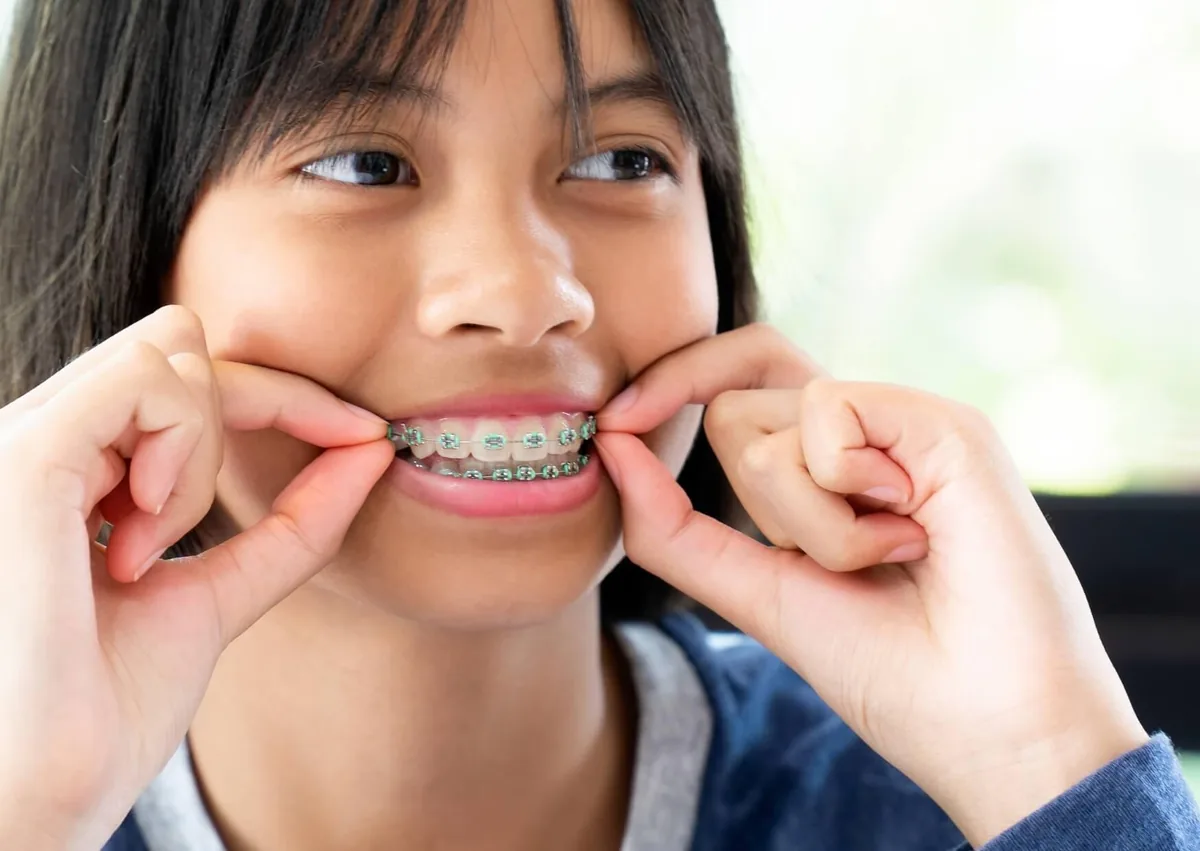
Most overbite treatment causes pressure or tenderness for a few days after appliances are placed or adjusted. Braces may rub the cheeks at first, while aligners can feel tight and may briefly affect speech or saliva flow.
Treatment often takes about 12 to 30 months. Simpler cases may be shorter, while surgical or more complex cases can take longer.
Timing depends on the severity of the bite, age, tooth movement, missed appointments, appliance breakage, and how consistently aligners are worn. Good brushing, interdental cleaning, and routine dental visits also matter throughout treatment.
Children, teens, and adults can all be candidates if their teeth and gums are healthy enough for orthodontic movement. Children may have the added benefit of growth guidance, while adults usually have predictable tooth movement but no remaining jaw growth to modify.
It is smart to schedule a consultation with orthodontics if the lower teeth hit the palate, teeth are wearing or chipping, chewing feels difficult, the bite seems to be changing, or the appearance bothers you. Sudden pain, swelling, trauma, or a sudden inability to bite normally should be evaluated promptly.
A consultation usually includes a bite exam, photos or digital scans, and X-rays when appropriate. That evaluation helps determine whether observation, braces, aligners, growth modification, or surgery is the safest and most predictable approach.
A focused consultation will determine whether braces, Invisalign, growth-guiding appliances, or surgery best addresses your overbite and provides a clear plan. Call Dental Studio of Palm Harbor for orthodontics in Palm Harbor, FL at (727) 786-1077 to schedule a visit.
Sometimes. Clear aligners can correct many tooth-related overbites, and growth-guiding appliances may help selected children. Severe adult jaw discrepancies may still require surgery with orthodontics.
A noticeable overbite usually does not correct itself once the permanent teeth and jaw relationship are established. In children, bite changes during growth can be monitored to decide whether observation or early treatment is best.
No. Treatment may improve appearance, but it can also reduce harmful tooth contact, gum trauma, uneven wear, and chewing problems when those issues are present.
The American Association of Orthodontists recommends an age 7 checkup, although treatment may not start at that age. Adults can also pursue treatment at almost any age if their oral health supports it.
Some shifting is possible because teeth continue to move throughout life. Wearing retainers as instructed and attending follow-up visits can reduce relapse. If significant shifting happens, some patients may need braces again.