Most adults have 32 permanent teeth when all four wisdom teeth are present. Many healthy adults have 28 instead, and children usually have 20 baby teeth.
If you are unsure whether a missing tooth, unerupted tooth, or wisdom tooth needs attention, a general dentistry exam can clarify what is present and what is normal.
At Dental Studio of Palm Harbor in Palm Harbor, FL, that visit helps you understand your tooth count, future changes, and practical care options for everyday oral health.
Babies are usually born without visible teeth, though their primary teeth are already forming under the gums. The first tooth often appears around 6 months, and most children have all 20 primary teeth by about age 3.
Around age 6, primary teeth usually begin to loosen and fall out as permanent teeth come in. By the early teen years, most people have 28 permanent teeth, with wisdom teeth sometimes adding four more in the late teens or early adulthood.
A lower visible tooth count does not always mean something is wrong. Genetics, delayed eruption, past extractions, and teeth that never formed can all affect the number you see, which is one reason regular checkups and preventive dentistry matter.
A full adult set of 32 permanent teeth includes:
Children have 20 primary teeth: eight incisors, four canines, and eight molars. They do not have primary premolars, even though permanent premolars later replace the primary molars.
Some people are born without one or more permanent teeth. This is called hypodontia.
Others have extra teeth, called supernumerary teeth. These may erupt normally or stay hidden in the jaw and only show up on X-rays.
A tooth can also be impacted, which means it is blocked from fully coming in. Wisdom teeth are the most common example, but other teeth, including canines, can be impacted too.
Past decay, gum disease, injury, orthodontic treatment, or tooth removal can also change your total. An exam and X-rays can show whether a tooth is truly missing, still developing, or trapped below the gums.
Wisdom teeth do not need to be removed just because they exist. If they are healthy, functional, easy to clean, and not harming nearby teeth, they may only need monitoring.
Removal may be recommended if a wisdom tooth causes pain, repeated infection, decay, gum problems, damage to a neighboring tooth, or a cyst. ADA guidance also notes these common reasons for removal.
Like any surgery, wisdom tooth removal has limits and risks. These can include swelling, soreness, infection, dry socket, and temporary or, rarely, longer-lasting nerve symptoms.
The right choice depends on symptoms, position, age, oral health, and imaging findings. A general dentistry evaluation or oral surgery consultation can help compare monitoring with removal in a clear, practical way.
If a tooth is missing, treatment is not always required, but the space can affect chewing, speech, appearance, and the position of nearby teeth. Common replacement options include an implant-supported crown, a fixed bridge, or a removable partial denture.
Restorative dentistry can help you compare these options. Dental implants can look and function much like natural teeth, but they require enough bone, healthy tissues, surgery, and healing time in many cases.
If cost is part of your decision, learn more about the cost of dental implants. If you are replacing one tooth, a single tooth implant may be worth exploring.
Bridges usually avoid implant surgery and can often be completed sooner. However, traditional bridges require reshaping the supporting teeth and can be harder to clean underneath.
Removable partial dentures are often less invasive and may replace several teeth at once. They can feel bulkier, though, and may shift during eating or speaking.
No tooth replacement lasts forever. Longevity depends on oral hygiene, bite forces, materials, tobacco use, overall health, and regular dental care.
A tooth-count evaluation usually starts with a review of your dental history and a close look at each visible tooth, your gums, and your bite. X-rays may be recommended to find unerupted teeth, confirm missing teeth, or check roots and bone.
The exam and routine imaging are usually not painful. Holding an X-ray sensor can feel awkward for a few seconds, but it is brief.
If treatment is needed, your dentist should explain anesthesia, expected sensations, recovery, alternatives, costs, and follow-up before moving forward. That helps you make an informed decision without surprises.
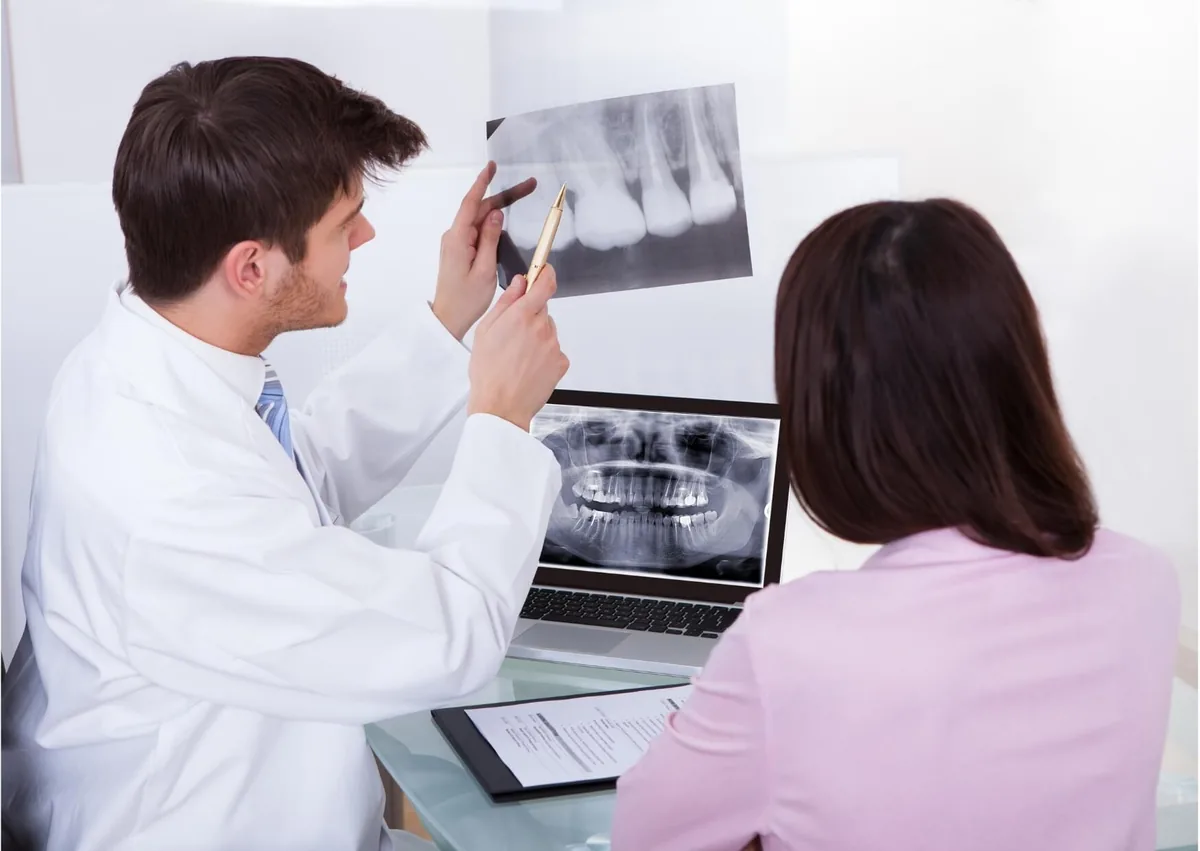
It is smart to schedule a general dentistry visit if an adult tooth has not appeared when expected, a baby tooth stays in place much longer than expected, or teeth seem crowded around a gap. An evaluation is also helpful if a missing tooth affects comfort, confidence, or chewing.
You should also be checked before deciding whether to monitor or remove wisdom teeth. Early evaluation often gives you more time to compare safe, practical options.
Seek prompt dental care for persistent tooth pain, swelling, pus, fever, difficulty opening the mouth, or a tooth loosened by injury. Trouble breathing or swallowing, rapidly spreading swelling, or severe facial trauma requires emergency care.
To confirm how many teeth you have, locate any unerupted teeth, or discuss safe options for monitoring or replacing teeth, a brief exam and X-rays are an appropriate next step. Dental Studio of Palm Harbor offers general dentistry in Palm Harbor and nearby Clearwater and Dunedin; call (727) 786-1077 or schedule online to arrange an appointment.
No. Thirty-two is the full count when all four wisdom teeth are present, but many healthy adults have 28 or fewer because of genetics, impaction, or previous removal.
Most children develop 20 primary teeth. These are gradually replaced by permanent teeth, usually beginning around age 6.
Yes. The standard total of 32 includes four wisdom teeth, also called third molars.
Yes. This is especially common when wisdom teeth never formed or were removed. A dentist can use an exam and imaging to tell whether any additional teeth are still developing or impacted.
Yes, although it is uncommon. Extra teeth, called supernumerary teeth, may erupt into the mouth or remain hidden in the jaw and are often found on dental X-rays.