Affordable dental implants in Palm Harbor, FL, are possible when treatment is planned around your oral health, the number of teeth being replaced, the type of restoration, and the full scope of care involved.
The best value is not always the lowest advertised price, so it helps to compare written estimates that include imaging, surgery, implant parts, the final tooth replacement, and any preparatory treatment.
If you're weighing options to replace missing teeth and want a stable long-term solution, dental implants can be an effective alternative to removable dentures or bridges. Dental Studio of Palm Harbor helps patients in Palm Harbor, FL, understand implant treatment steps, realistic costs, and what to expect during recovery so they can make informed decisions.
A dental implant is a small post, usually made of titanium, that replaces a missing tooth root. After healing, it supports an abutment and a crown, bridge, or denture as part of restorative dentistry.
Implants can improve chewing, help maintain jawbone in the area of tooth loss, and often feel more secure than removable options. They also require surgery, healing time, daily cleaning, and regular professional maintenance.
A complete estimate may include the consultation, 3D imaging, tooth removal, bone grafting, implant placement, the abutment, a temporary restoration, and the final crown or denture. Ask for an itemized treatment plan because some quotes include only the implant post or only the surgical phase.
The right choice depends on your health, goals, budget, and how long you want the result to last. A lower upfront cost can still mean more maintenance, less stability, or earlier replacement.
Option | Typical Advantages | Important Limits | General Longevity |
|---|---|---|---|
Single implant and crown | Independent replacement; does not require reshaping adjacent teeth. | Surgery and healing required; grafting may increase cost | Implant posts can last many years, while crowns may need replacement |
Implant-supported bridge | Replaces several teeth with fewer implants than one per tooth | More complex treatment; cleaning beneath the bridge is essential | Often long-lasting with healthy bone and consistent maintenance |
Implant-retained denture | Greater stability than a conventional denture; may use fewer implants | Remains removable in many designs; attachments can wear | Implants may last many years, while denture parts need periodic service |
Conventional bridge | Faster treatment without implant surgery | Supporting teeth usually must be reshaped; does not preserve bone at the missing root | Commonly requires replacement over time |
Removable partial or full denture | Usually lower initial cost; no implant surgery required | May move, affect chewing, or require relining as tissues change | Typically needs adjustments and eventual replacement |
No restoration lasts forever. Smoking, uncontrolled diabetes, teeth grinding, gum disease, heavy bite forces, and inconsistent hygiene can raise risk factors for implant complications or restoration wear.
Cost usually depends on the number and location of missing teeth, the implant system used, restoration materials, and surgical complexity. Front-tooth implants may also need more detailed planning to match the gumline and nearby teeth.
Some patients need additional care before implant placement. Bone grafting, sinus augmentation, gum disease treatment, sedation, and temporary teeth can all affect the final fee, though not every patient needs them.
Dental insurance may help with the exam, extractions, grafting, or final restoration even when the implant itself is excluded. Ask the office about dental insurance coverage for specifics.
Routine care through general dentistry can also affect long-term maintenance costs and treatment readiness. Health savings accounts, flexible spending accounts, phased treatment, third-party financing, or in-office payment arrangements may also help, but it is important to review interest, fees, and coverage limits.
Be cautious with unusually low package pricing that does not clearly list the implant parts, final restoration, follow-up visits, or complication management. A better comparison is the cost of dental implants, not just a single promotional number.
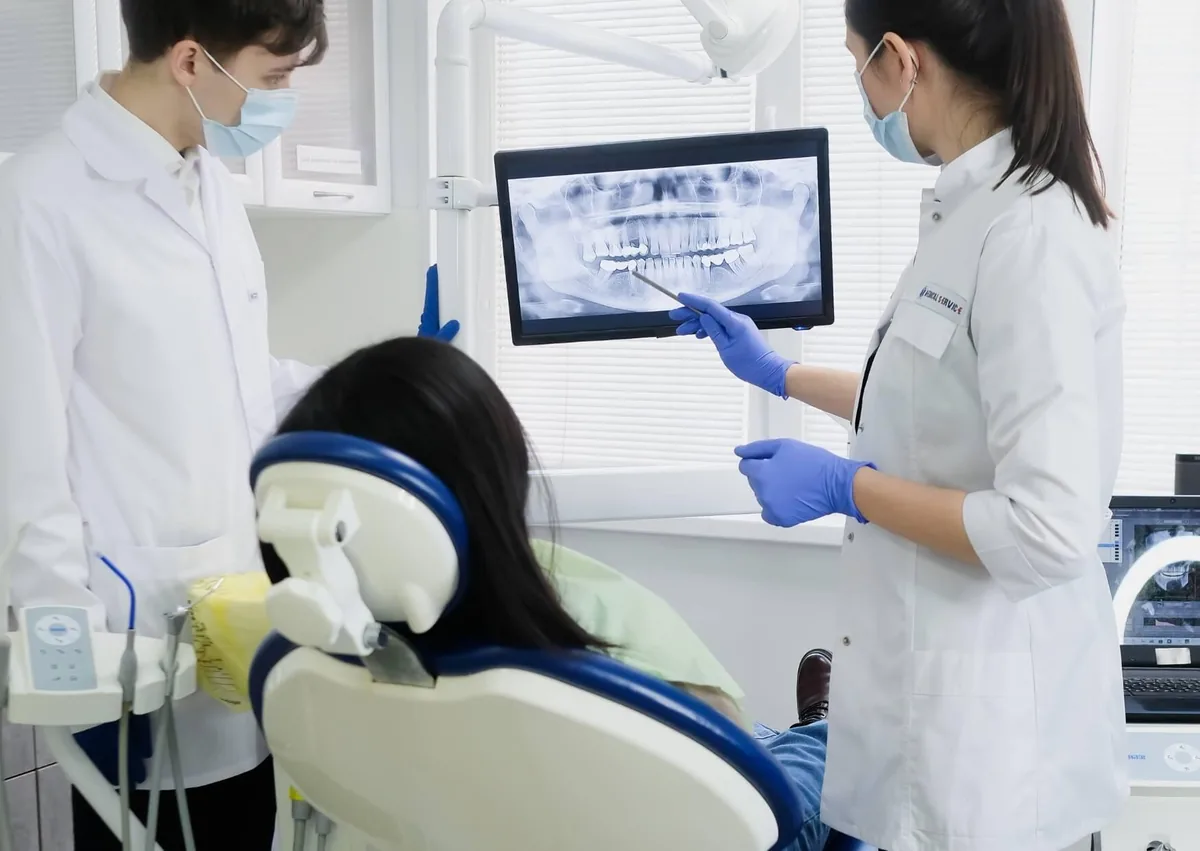
Treatment starts with an exam, health history, X-rays, and often a cone-beam CT scan. This helps the dentist evaluate bone, gums, nerves, sinuses, bite forces, and available space for the replacement tooth.
Modern dental technology such as cone-beam imaging and guided planning can improve precision and make treatment planning more predictable. It can also help create a clearer estimate before treatment begins.
Implant placement is usually done with local anesthetic. You may feel pressure or vibration, but sharp pain should not be expected.
Sedation may be available for some patients, although it can add cost and requires specific recovery planning. Your dentist can explain whether it is appropriate for your case.
After surgery, mild swelling, tenderness, bruising, and softer chewing are common for a few days. The healing process called osseointegration usually takes a few months, though timing varies based on bone quality, grafting, and overall health.
Some patients qualify for a temporary tooth on the same day as surgery. That does not mean the implant is fully healed or ready for normal chewing right away.
The final crown, bridge, or denture is usually placed after the implant has integrated well enough to support it. Your dentist should explain the expected timeline before treatment starts.
Good candidates often have one or more missing or failing teeth, enough bone for support or the ability to receive grafting, and gums healthy enough for treatment. They also need to be able to clean around the restoration and keep follow-up visits.
Diabetes, osteoporosis treatment, immune conditions, prior head or neck radiation, and tobacco or nicotine use do not automatically rule out implants. They do, however, affect healing risk and treatment planning, so a full health history matters.
Active gum infection, untreated decay, or severe teeth grinding may need to be managed first. Implant treatment may also be delayed if growth is incomplete or a medical condition is not well controlled.
It is a good time to schedule an evaluation when a tooth cannot be saved, a denture feels unstable, or a missing tooth affects eating, speech, appearance, or confidence. Earlier planning may help preserve bone, although long-standing tooth loss can often still be treated.
Prompt dental care is important for worsening pain, facial swelling, fever, pus, persistent bleeding, or a loose implant or restoration. Trouble breathing or swallowing, rapidly spreading swelling, or swelling near the eye needs urgent medical evaluation.
A consultation should explain which options are appropriate, the treatment sequence, likely timeline, alternatives, foreseeable risks, maintenance needs, and the full estimated fee. Bringing insurance details and financing questions can make it easier to compare options based on both safety and affordability.
For a clear cost estimate and personalized plan, schedule a consultation to review your implant options and any preparatory care. Contact Dental Studio of Palm Harbor for dental implants in Palm Harbor, FL; call (727) 786-1077 to book an appointment or request availability.
There is no single reliable price because the total depends on imaging, extractions, grafting, the number of implants, restoration type, and sedation needs. An in-person exam is needed for an accurate estimate, and the quote should clearly state what is included.
Lower cost does not automatically mean lower quality, especially when savings come from efficient planning or financing. Safety depends on proper diagnosis, clinician training, sterile technique, appropriate components, careful placement, and reliable follow-up.
Some plans provide partial benefits, while others exclude the implant post but help cover related surgery or the crown, bridge, or denture. Ask the office for treatment codes and request a pre-treatment estimate from your insurer, while understanding that it is not a guarantee of payment.
Implants and temporary teeth can sometimes be placed in one visit when bone quality and initial stability are favorable. Healing still takes time, and the final restoration may need to be delivered later.
Implants may offer better stability, chewing ability, and bone preservation, but they also cost more upfront and involve surgery. A conventional denture may still be the more practical option for some patients based on health, anatomy, budget, or personal preference.