In the United States, a dental retainer usually costs about $100 to $500 per appliance, though some options cost more. The final price depends on the type of retainer, whether you need one or both arches, what is included in the fee, and whether you are getting your first retainer or a replacement.
These are broad self-pay estimates, not guaranteed fees. Before treatment, ask for a written quote that lists the retainer type, number of appliances, replacement policy, and any charges for scans, adjustments, or follow-up visits.
If you’re choosing between a bonded and removable retainer, or replacing one that no longer fits, an orthodontics evaluation can help you protect your results and avoid unnecessary expense. Dental Studio of Palm Harbor in Palm Harbor, FL provides personalized retention plans and clear guidance on cost, comfort, and long-term wear.
A retainer keeps teeth in their corrected position after braces or clear aligners. Without regular wear, teeth can shift, especially in the first several months after treatment, though movement can continue over time.
A retainer is meant to maintain results, not correct major relapse. If an old retainer no longer fits, do not force it into place, because that can damage the appliance or put too much pressure on your teeth.
Retainer Type | Typical Price Range | Key Considerations |
|---|---|---|
Clear removable retainer | $100 to $300 per arch | Discreet and easy to remove, but may crack, warp, or discolor |
Hawley retainer | $150 to $500 per arch | Durable acrylic-and-wire design that can sometimes be adjusted |
Bonded permanent retainer | $250 to $600 per arch | Hidden behind the teeth, but needs careful cleaning and periodic checks |
Branded clear-retainer set | $400 to $1,000 or more | May include several replacement appliances rather than one retainer |
These price ranges are broad self-pay estimates and can vary by office and region.
An arch means either the upper or lower row of teeth. If you need retainers for both arches, the total may be about twice the per-arch fee, although some offices offer a bundled price.
A replacement retainer often costs about the same as a new one unless your treatment plan includes spare appliances or a replacement program. If teeth have shifted too much, you may need additional treatment before a passive retainer can fit safely.
Clear retainers are thin plastic trays shaped to fit your teeth. They are nearly invisible and usually comfortable, but they can wear out faster if exposed to heat, grinding, pets, or rough handling.
Their close fit helps hold detailed tooth positions well. Depending on how often you wear them and how well you care for them, they may last a few years or need replacement sooner.
Patients who finished treatment with clear aligners such as Invisalign often receive retainers designed around that type of retention plan.
A Hawley retainer has an acrylic base and a wire across the front teeth. It is more noticeable than a clear retainer and may briefly affect speech, but it is durable and can last for many years with good care.
In some cases, the wire can be adjusted by a clinician. Even so, a Hawley retainer is not meant to fix significant tooth movement after treatment.
A bonded retainer is a thin wire attached behind several front teeth. Because it stays in place all the time, it can be a good option when those teeth are more likely to shift.
Cleaning is more demanding, especially when flossing. Proper hygiene is important because plaque and tartar can build up around the wire, and a bond or wire can break without being obvious.
Retainer fees vary by region, office, materials, lab costs, and case complexity. Scans or impressions, fitting visits, minor adjustments, storage cases, and future replacements may be included or billed separately.
Dental insurance coverage is inconsistent. Some orthodontic benefits include the first retainer after treatment, while replacements due to loss, wear, or damage are often paid out of pocket.
Flexible spending accounts and health savings accounts may help with eligible expenses. Ask whether the quote covers one arch, both arches, or multiple retainers so you can compare the true long-term cost.
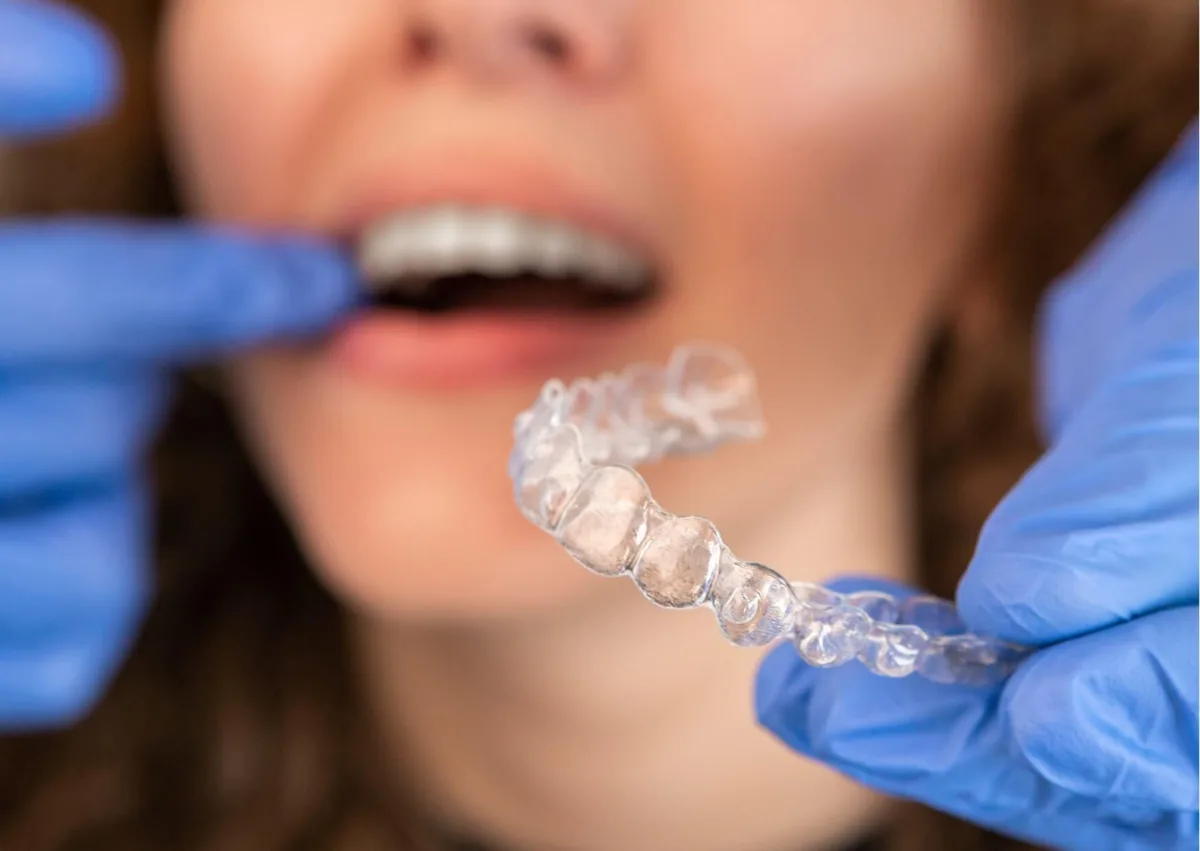
The process usually starts with a check of your tooth position, bite, and gum health. A digital scan or impression is then used to create the retainer.
Many offices use dental technology such as digital scanning and 3D printing to improve fit and shorten turnaround time. At delivery, the retainer should feel snug but not sharply painful.
Mild pressure, extra saliva, and a short adjustment period with speech are common. If the retainer causes lasting sores, significant pain, or will not seat fully, contact the office for an evaluation.
The main benefit of a retainer is protecting the time and money you already invested in orthodontic treatment. The right design depends on how likely your teeth are to shift, how easy the retainer is for you to wear or clean, and how important appearance is to you.
Clear retainers are discreet but may need replacement sooner. Hawley retainers are durable and adjustable in some cases, while bonded retainers work continuously but require more careful hygiene and monitoring.
No retainer lasts forever. Replacement depends on fit, wear, breakage, and whether it still holds your teeth as intended.
Wear and clean a removable retainer exactly as directed. When it is out of your mouth, store it in a ventilated case and keep it away from hot water, direct heat, pets, napkins, and pockets.
A retainer should be checked if it cracks, feels loose, develops sharp edges, smells bad despite cleaning, or no longer fits the way it should. Visible tooth movement is another reason to schedule an assessment.
Not wearing retainers can increase the chance you'll need braces again.
Anyone finishing braces or clear-aligner treatment needs a retention plan. A consultation also makes sense if your retainer is lost, broken, uncomfortable, or no longer fits well.
It is best to schedule an evaluation early if your teeth have started shifting. Small changes are often easier to manage than larger relapses.
A dentist or specialist in orthodontics can assess tooth position, bite, gum health, and your previous treatment before recommending the right appliance.
Bring your old retainer and insurance information if you have them, since both can help clarify whether you need an adjustment, replacement, or additional treatment.
Severe pain, facial swelling, fever, pus, trauma, or trouble swallowing or breathing should not wait for a routine retainer visit. Those symptoms need prompt dental or urgent medical attention.
If you need a retainer evaluation, repair, or help choosing bonded versus removable options, a short orthodontics visit can assess fit and costs.
Call Dental Studio of Palm Harbor for orthodontics in Palm Harbor, FL and nearby Clearwater or Dunedin at (727) 786-1077 to book an appointment or confirm same-day availability.
A replacement retainer commonly costs $100 to $500 per appliance, depending on the design and local fees. If your teeth have shifted, new scans or added orthodontic treatment may increase the total.
Bonded retainers often cost more upfront than a basic clear retainer, usually around $250 to $600 per arch. They may also need future repair or rebonding.
Some orthodontic plans include the first set of retainers, but replacement coverage varies. Check your benefits, deductible, frequency limits, and network rules before counting on reimbursement.
Only if it still seats fully and comfortably and a dental professional has not told you otherwise. Do not force a retainer onto shifted teeth.
There is no universal replacement schedule. A retainer should be replaced when it is cracked, warped, loose, unhygienic despite proper cleaning, or no longer able to hold your teeth correctly.