Gum contouring can make a smile look more even by reshaping excess gum tissue around the teeth. It often creates a noticeable cosmetic improvement in one visit, but the best result depends on whether the issue is truly the gums or also involves tooth position, tooth wear, lip movement, or bone support.
If uneven or excessive gum tissue is your primary esthetic concern, cosmetic dentistry can help determine whether reshaping, restorative work, or combination therapy will best improve your smile proportions. At Dental Studio of Palm Harbor in Palm Harbor, FL, our team evaluates tissue health and esthetic goals to explain realistic options and expected recovery.
Gum contouring, also called gingival recontouring, changes the visible gumline. It may be recommended when teeth look short because too much gum tissue covers them or when an uneven gumline makes similar teeth appear different in size.
The treatment can improve smile symmetry and tooth proportions. It does not change the shape, color, or position of the teeth themselves.
If a gummy smile is mainly caused by lip movement, jaw position, tooth wear, or the way the teeth erupted, gum contouring alone may not create the result you want. When tooth position is the main issue, options like Invisalign may be a better alternative or part of a combined plan.
A clinical exam matters because gums can look excessive when they are actually inflamed. Red, swollen, tender, or bleeding gums should be treated before cosmetic reshaping.
The right treatment depends on what is causing the appearance of a gummy or uneven smile. A dentist may evaluate gum health, tooth size, bite, lip movement, and bone levels before recommending treatment.
Option | Best Suited For | Main Limitation | Typical Longevity |
|---|---|---|---|
Gum contouring | Mild excess tissue or an uneven gumline | Cannot correct tooth or jaw position | Often long-lasting when properly planned |
Crown lengthening | Teeth covered by gum and sometimes supporting bone | More involved healing if bone is reshaped | Generally long-lasting |
Orthodontic treatment | Teeth that are uneven, crowded, or positioned too low or high | Requires more time than contouring | Stable with appropriate retention |
Veneers or dental bonding | Teeth with shape, size, color, or minor alignment concerns | Alters or adds to tooth structure | Bonding may need repair; veneers eventually need replacement |
Treatment for lip or jaw causes | A gummy smile driven by lip movement or skeletal proportions | May require specialist care | Varies by treatment |
Sometimes the most balanced result comes from combining treatments. Gum contouring is often one part of a smile makeover, especially when tooth position or tooth shape also affects the final look.
For example, orthodontic treatment may move the teeth first, followed by conservative gum reshaping to refine the gumline. In other cases, contouring may be paired with veneers or bonding to improve both the gums and the visible tooth proportions.
The main benefit of gum contouring is better balance between the teeth and gums. Modern laser, electrosurgical, or traditional techniques can make the reshaping precise and controlled.
Results are often long-lasting when only excess tissue is removed and the new gumline stays within healthy anatomical limits. Some tissue rebound can happen if the original cause remains, and future inflammation, certain health conditions, or some medications can also change the gums over time.
There are limits to how much tissue can be safely removed. Taking away too much can expose sensitive root surfaces, make teeth look unnaturally long, or create dark spaces between teeth.
Before treatment, the clinician may outline or preview the proposed gumline. That helps you understand the expected change before any reshaping begins.
Local anesthetic is usually used, so you may feel pressure or movement but should not feel sharp pain during the procedure. The exact method may involve a laser, electrosurgical instrument, or scalpel, depending on the case.
If bone also needs to be adjusted, the procedure is more accurately called surgical crown lengthening. That type of treatment is more involved and usually has a longer recovery than soft-tissue contouring alone.
Recovery after limited soft-tissue contouring is often measured in days. Full tissue maturation can still take several weeks, especially if multiple teeth were treated.
Mild soreness, tenderness, and swelling are common at first. The gums may look slightly uneven during healing, and the final result becomes clearer as swelling fades.
Patients are often told to eat softer foods for a short time, clean the area gently, and avoid tobacco while healing. Follow your clinician's instructions for brushing, rinsing, exercise, eating, and over-the-counter pain relief, since recommendations vary by procedure and medical history.
Call the dental office promptly for worsening swelling, uncontrolled bleeding, pus, fever, or severe pain that is not improving. Trouble breathing or swallowing, rapidly spreading facial swelling, or heavy bleeding that does not stop needs urgent medical attention.
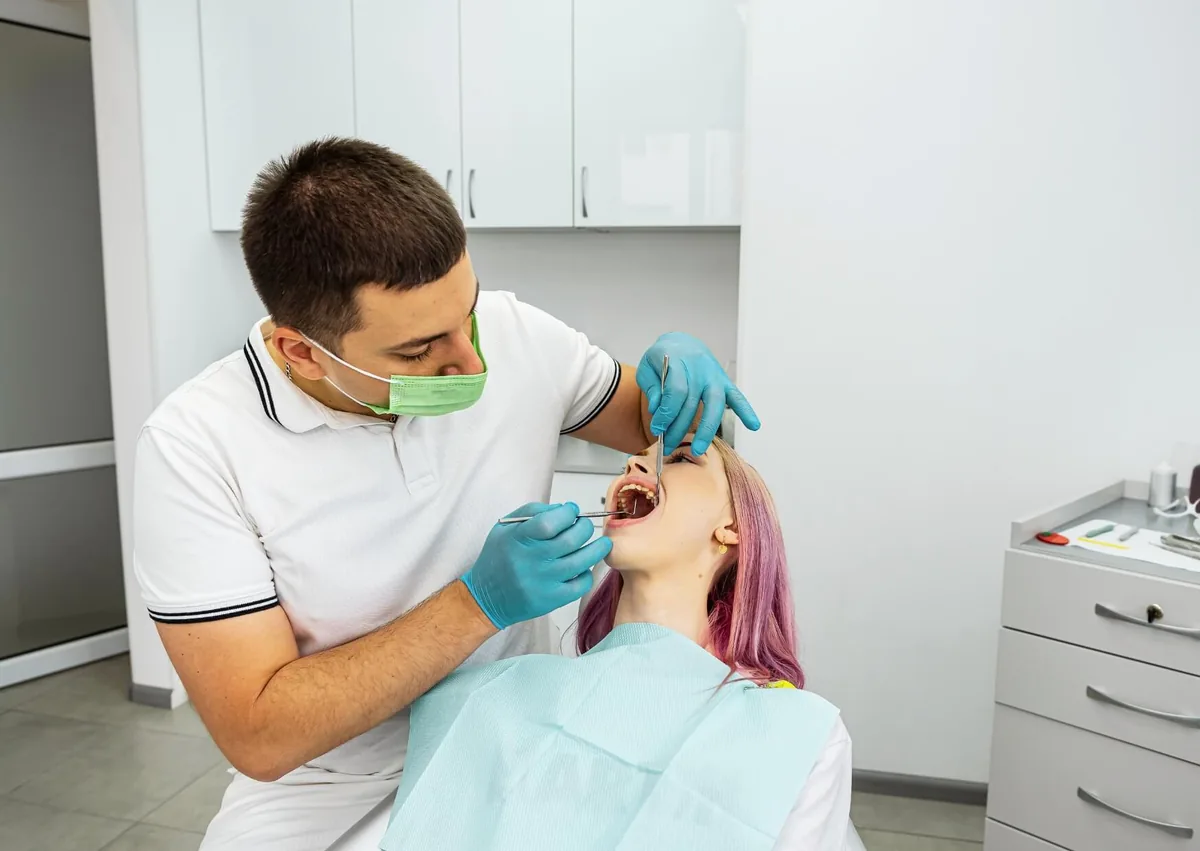
A good candidate usually has healthy gums, good plaque control, realistic cosmetic goals, and enough tissue and bone for safe reshaping. Regular care through preventive dentistry can help resolve inflammation and prepare the gums for elective cosmetic treatment.
The concern should mainly be excess or uneven gum tissue, not active periodontal disease or a problem another treatment would address more predictably. Treatment may need to wait if there is uncontrolled gum inflammation, untreated decay, or a health issue that could affect healing.
Anyone taking blood thinners or medications linked to gum enlargement should share a full medical and medication history. Do not stop prescribed medication unless the prescribing clinician tells you to.
The best time to schedule a consultation is when your gumline has stabilized, your oral health is in good shape, and you have enough time to heal before an important event. This is especially important if you recently finished orthodontic treatment or are considering veneers, crowns, or other cosmetic work.
A cosmetic dentist or periodontist can explain the likely result, whether crown lengthening is needed, expected recovery, risks, alternatives, and cosmetic dentistry cost before treatment is scheduled.
A consultation clarifies whether gum contouring, crown lengthening, orthodontics, or combined care is the best path and outlines recovery, risks, and expected fees. Contact Dental Studio of Palm Harbor for cosmetic dentistry in Palm Harbor, FL; call (727) 786-1077 to schedule or ask about same-day availability.
Local anesthetic usually keeps the procedure comfortable. Mild tenderness or sensitivity afterward is common, and discomfort often depends on how much tissue was treated and whether bone reshaping was needed.
A limited procedure may be completed in one office visit. The exact time depends on how many teeth are treated and which technique is used.
Properly planned results are often long-lasting, but some tissue rebound can occur. Regrowth is more likely when the underlying cause, such as inflammation or medication-related enlargement, has not been addressed.
Dental insurance often does not cover treatment done only for appearance. Coverage may be possible when reshaping is medically or restoratively necessary, so patients should confirm benefits and out-of-pocket costs with the dental office and insurer.
No. A gummy smile can result from excess gum tissue, short or worn teeth, tooth position, strong lip movement, jaw proportions, or a combination of factors, so an exam is needed to identify the best option.